The Thin Lign: A Sleek Art Deco Font for Modern Design
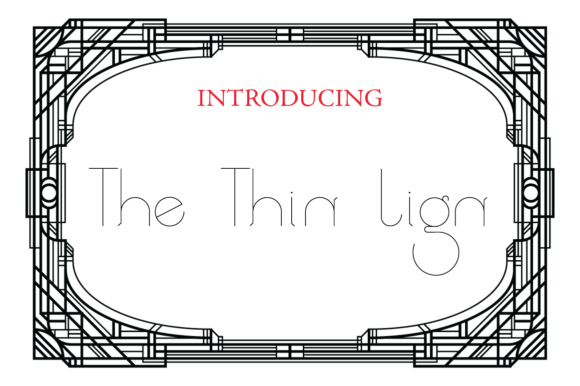
If you're looking for a font that blends elegance with modernity, The Thin Lign is a standout choice. This art deco-inspired typeface offers a refined aesthetic that can elevate any project, whether it's for print, digital media, or branding. Its clean lines and subtle curves make it both visually appealing and highly functional, making it a go-to option for designers and professionals alike.
What sets The Thin Lign apart is its balance between simplicity and sophistication. The font’s thin strokes and rounded edges give it a soft, approachable feel, while its structured design maintains a sense of professionalism. This combination makes it ideal for projects that require both style and clarity.
Key Characteristics of The Thin Lign
The Thin Lign is designed with attention to detail, ensuring that every character is both readable and aesthetically pleasing. Its art deco influences are evident in the geometric shapes and symmetry, which contribute to a timeless look. The font also features consistent stroke widths, which enhance legibility and visual harmony.
One of the most notable qualities of The Thin Lign is its versatility. It works well in a variety of contexts, from headings and titles to body text and logos. The font’s rounded elements add a touch of warmth, making it suitable for projects that aim to convey a friendly or inviting tone.
Additionally, The Thin Lign is available in multiple weights and styles, allowing users to customize their designs without sacrificing consistency. This flexibility makes it a valuable asset for anyone working on multi-platform projects or needing different typographic options.
Practical Applications of The Thin Lign
For professionals in the creative industry, The Thin Lign can be a powerful tool. Graphic designers often use it for branding materials, such as business cards, brochures, and posters. Its clean appearance ensures that logos and headlines stand out without overwhelming the viewer.
Marketers and advertisers may find The Thin Lign useful for creating eye-catching campaigns. Whether designing social media graphics, advertisements, or website copy, this font adds a touch of class that can help differentiate a brand from competitors. Its readability also makes it suitable for longer texts, ensuring that messages are communicated clearly.
In educational settings, The Thin Lign can be used for presentations, reports, and instructional materials. Its professional look helps maintain a polished appearance, while its ease of reading supports effective communication. Teachers and educators can use it to create engaging content that captures students’ attention without compromising clarity.
Why Choose The Thin Lign?
When selecting a font, usability is just as important as aesthetics. The Thin Lign excels in both areas. Its legibility at various sizes makes it suitable for both large-scale print work and small digital displays. This adaptability ensures that it can be used across different mediums without losing its visual appeal.
For businesses, The Thin Lign can play a role in building a strong brand identity. A well-chosen font can reinforce a company’s image and values. By using The Thin Lign, businesses can communicate a sense of sophistication and modernity that resonates with their target audience.
Freelancers and independent creators can also benefit from The Thin Lign. Whether they’re designing for clients or personal projects, this font provides a reliable and stylish option that can be customized to fit specific needs. Its availability in multiple formats ensures compatibility with most design software and platforms.
Considerations When Using The Thin Lign
Before implementing The Thin Lign in a project, it’s important to consider the context and audience. While its art deco style is visually striking, it may not be suitable for all types of content. For example, very casual or informal projects might benefit from a more relaxed font, while high-end or professional work could be enhanced by The Thin Lign’s refined look.
Users should also test the font in different environments to ensure it performs well. Checking how it appears on screens, printed materials, and in various sizes can help identify any potential issues. This step is especially important for projects that require high-quality output, such as marketing collateral or editorial publications.
Finally, it’s worth exploring the font’s full range of features. Many fonts come with additional characters, ligatures, or alternate glyphs that can add depth to a design. Understanding these options can help users make the most of The Thin Lign and achieve a more personalized look.
Conclusion: A Timeless Choice for Modern Design
The Thin Lign is more than just a font—it’s a design element that can enhance the visual appeal and effectiveness of any project. Its art deco roots, combined with modern functionality, make it a versatile and valuable resource for professionals and creatives alike. Whether used in print, digital, or branding contexts, The Thin Lign offers a balance of style and practicality that is hard to match.
By choosing The Thin Lign, designers and businesses can communicate with confidence, knowing that their typography reflects both quality and intention. With its warm yet sophisticated appearance, this font is a smart choice for anyone looking to elevate their design work and leave a lasting impression.