Bold Year: A Strategic Font for Creative and Professional Success
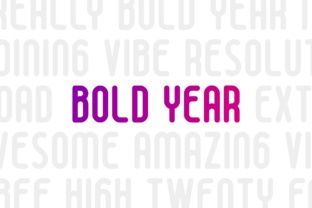
Bold Year is more than just a font—it’s a strategic tool that can elevate the visual communication of your projects, whether you’re designing a logo, crafting a marketing campaign, or developing a brand identity. As a bold condensed typeface, it offers clarity, impact, and versatility, making it ideal for both digital and print applications. Its design balances strength with readability, allowing it to perform well in large-scale formats like billboards and small-scale uses such as mobile interfaces.
For professionals and creatives, choosing the right typography isn’t just about aesthetics—it’s about purpose. Bold Year provides a foundation for intentional design decisions that align with your goals, whether you’re aiming to build brand recognition, improve user engagement, or streamline communication.
Why Bold Year Matters in Strategic Design
In today’s fast-paced digital landscape, first impressions matter. Bold Year’s condensed structure ensures that your message stands out without sacrificing legibility. This makes it particularly useful for environments where space is limited, such as social media headers, app interfaces, or signage. Its bold weight also conveys confidence and authority, which can be strategically beneficial when building trust with your audience.
Strategic use of Bold Year goes beyond visual appeal. It supports decision-making by reinforcing key messages and guiding the reader’s focus. For example, using it for headlines or call-to-action buttons can help direct attention to critical information, improving conversion rates and user experience.
When integrated thoughtfully, Bold Year can enhance your brand’s voice and positioning. It works well for businesses that want to project a modern, dynamic image while maintaining professionalism. Whether you’re launching a new product, updating your website, or creating promotional materials, this font can serve as a consistent visual element that strengthens your overall strategy.
Practical Applications of Bold Year
Consider the following scenarios where Bold Year can be effectively applied:
- Brand Identity: Use Bold Year for your logo or tagline to create a strong, memorable impression. Its boldness reinforces your brand’s presence, while its condensed form allows for efficient use of space on packaging, business cards, and other materials.
- Marketing Materials: In print ads, brochures, or email campaigns, Bold Year can highlight key selling points or headlines. Its readability at different sizes ensures that your message remains clear, even when viewed from a distance.
- Web and App Design: On websites or mobile apps, Bold Year can be used for navigation menus, buttons, or section headings. Its clean lines and strong structure make it ideal for digital interfaces where usability is crucial.
- Content Titles: When creating blog posts, articles, or social media content, using Bold Year for titles can draw attention and improve scannability. This helps readers quickly identify relevant information and increases engagement.
Each of these applications requires a thoughtful approach. The goal is not just to use the font, but to ensure it aligns with your broader objectives. For instance, if you're targeting a younger demographic, Bold Year’s modern look may resonate more than a traditional serif font. If you're focusing on professionalism, its clean and structured design can reinforce that image.
Planning and Positioning with Bold Year
Before incorporating Bold Year into your design, consider how it fits within your overall strategy. Ask yourself: What message do I want to convey? Who is my target audience? How will this font support my branding efforts?
Positioning is key. Bold Year works best when it complements other elements of your design. For example, pairing it with a simpler, more neutral font for body text can create a balanced hierarchy that guides the reader through your content. This approach ensures that Bold Year remains impactful without overwhelming the viewer.
Another consideration is consistency. If you’re using Bold Year across multiple platforms—such as your website, social media, and printed materials—ensure that it’s applied uniformly. This creates a cohesive brand experience and reinforces recognition over time.
Additionally, think about the context in which your audience will encounter the font. Will they see it on a screen, in a magazine, or on a physical sign? Each medium has different requirements, and understanding these can help you optimize the use of Bold Year for maximum effectiveness.
Strategic Observations and Decision-Making
Using Bold Year intentionally involves more than just selecting a font—it’s about making informed decisions that align with your goals. Here are some observations to guide your choices:
- Clarity Over Creativity: While Bold Year is visually striking, prioritize clarity in your design. Avoid using it in situations where readability could be compromised, such as in small text sizes or dense paragraphs.
- Contextual Relevance: Ensure that the tone of Bold Year matches the message you’re trying to communicate. It’s well-suited for bold statements, announcements, or calls to action, but may not be appropriate for more subtle or formal content.
- Testing and Feedback: Before finalizing your design, test Bold Year in real-world scenarios. Gather feedback from your audience or team to determine if it meets their expectations and achieves the desired effect.
These insights can help you avoid common pitfalls and make better decisions about when and how to use Bold Year. By focusing on practical outcomes rather than aesthetic trends, you can ensure that your design choices contribute to long-term success.
Risks of Using Bold Year Without Clear Intent
While Bold Year is a powerful tool, it can be misused if applied without purpose. Randomly selecting a font without considering its role in your design can lead to confusion, inconsistency, or a lack of impact. For example, using it excessively in body text may reduce readability and dilute the importance of your main message.
Another risk is over-reliance on the font itself. Bold Year is effective, but it should not replace thoughtful design principles. A strong visual strategy includes elements like color, spacing, and layout, all of which work together to create a compelling experience. Relying solely on Bold Year may result in a design that looks good but fails to meet functional or strategic goals.
Finally, using Bold Year without considering your audience can lead to miscommunication. If your target users expect a more traditional or minimalist style, an overly bold font might feel out of place or unprofessional. Always align your design choices with the expectations and preferences of your intended audience.
Long-Term Value and Intentional Use
The long-term value of Bold Year lies in its ability to support consistent, strategic communication. When used intentionally, it can become a core element of your brand’s visual identity, helping to build recognition and trust over time.
To maximize this value, integrate Bold Year into your broader design process. Consider how it fits with other elements, how it evolves with your brand, and how it contributes to your overall messaging. This approach ensures that your design choices are not only visually appealing but also meaningful and effective.
Ultimately, Bold Year is a versatile and powerful font that can enhance your creative and professional projects. By using it with intention and strategy, you can unlock its full potential and achieve better results in your design work. Whether you’re building a brand, launching a campaign, or improving user experience, Bold Year can be a valuable asset in your toolkit.