Imelda: A Modern Hand-Based Font for Creative Expression
In a world where visual communication is more critical than ever, the right typography can make all the difference. Imelda, a modern hand-based font, has emerged as a standout choice for designers, marketers, and creators seeking a unique blend of elegance and personality. With its irregularly flowing letters and high contrast, Imelda offers a charming appeal that sets it apart from traditional typefaces. This article explores what makes Imelda special, how it fits into current design trends, and why it's capturing the attention of professionals across various industries.
What Is Imelda?
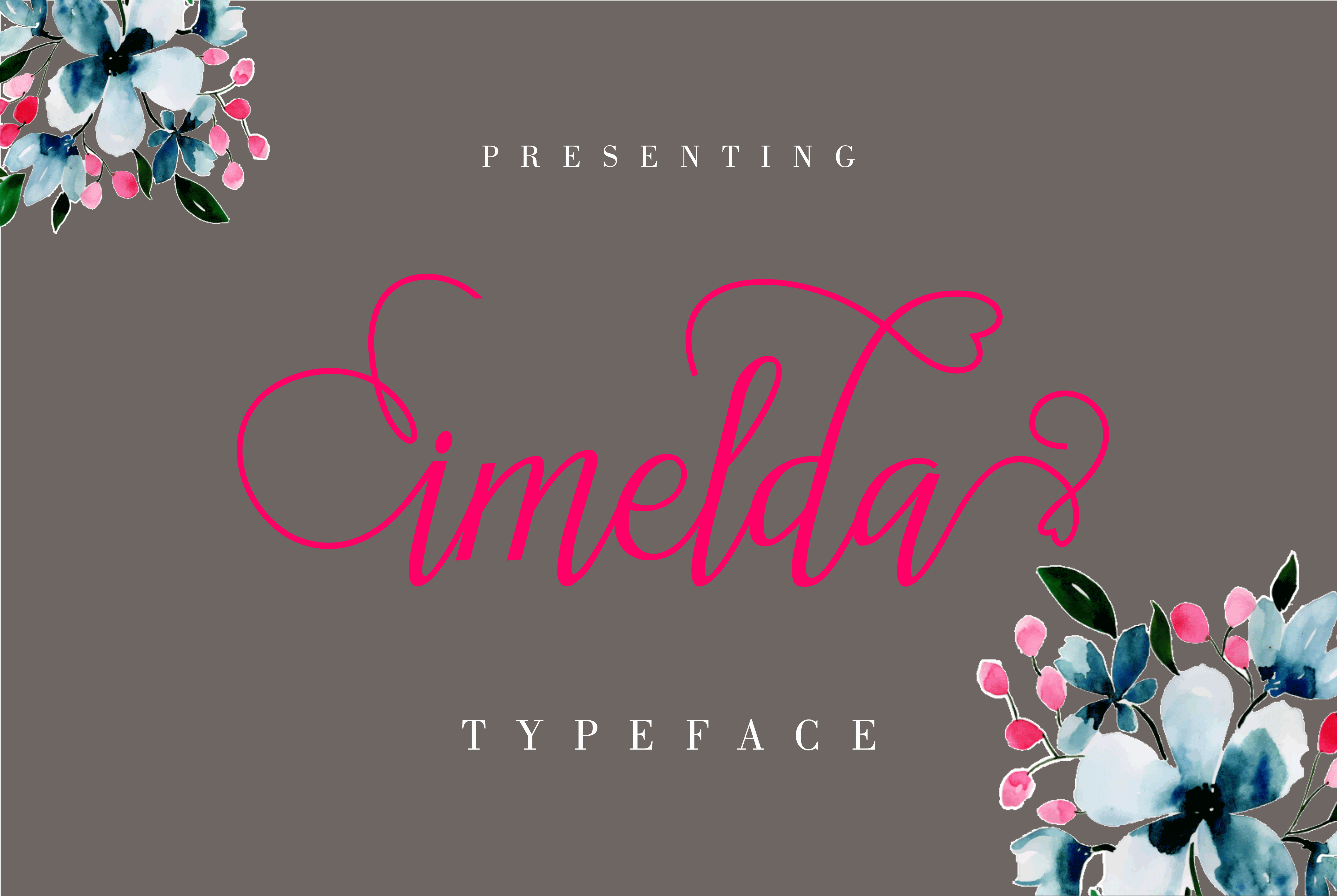
Imelda is a hand-drawn font that combines the warmth of handwritten script with the precision of digital typography. Its irregular, flowing letters give it a natural, organic feel that feels both authentic and refined. Unlike many other fonts that aim for uniformity, Imelda embraces imperfection, making it ideal for projects that require a personal touch. The high contrast between thick and thin strokes adds to its visual impact, allowing it to stand out in both print and digital formats.
Designed for versatility, Imelda works well in a variety of contexts, from branding and advertising to editorial design and web development. Its fluidity makes it particularly suited for headings, logos, and display text, where a strong visual presence is essential. Whether used in a minimalist layout or a bold statement piece, Imelda brings a sense of movement and energy that other fonts may lack.
Imelda in the Broader Design Landscape
The design industry is constantly evolving, with new trends and technologies shaping the way we communicate visually. In recent years, there has been a growing emphasis on authenticity, individuality, and emotional resonance in design. Imelda aligns perfectly with these shifts, offering a font that feels personal and expressive rather than generic or formulaic.
This trend is especially evident in the rise of custom typography and handcrafted elements in branding. Companies are increasingly looking for ways to differentiate themselves in a crowded market, and a unique font like Imelda can help them stand out. By incorporating Imelda into their visual identity, brands can convey a sense of creativity, innovation, and human connection—key attributes in today’s competitive landscape.
Why Imelda Is Gaining Attention
Imelda’s popularity stems from its ability to bridge the gap between traditional craftsmanship and modern digital design. As more professionals seek to infuse their work with a personal touch, fonts that mimic handwriting have become increasingly desirable. Imelda’s irregular flow and dynamic structure make it feel like it was written by hand, adding a level of authenticity that digital fonts often lack.
Moreover, Imelda’s high contrast makes it highly legible, even at smaller sizes. This is a crucial factor for designers who want to maintain readability while still achieving a distinctive look. Whether used in a headline, a logo, or a social media post, Imelda ensures that the message remains clear and impactful.
Changing Needs and Preferences in the Design World
As the design industry continues to evolve, so do the needs and preferences of professionals. There is a growing demand for fonts that are not only aesthetically pleasing but also adaptable to different mediums and applications. Imelda meets this demand by offering a versatile typeface that works across a wide range of projects.
For instance, in the realm of digital marketing, where first impressions are everything, a font like Imelda can help create a memorable brand identity. Its flowing style adds a sense of motion and fluidity, which can be particularly effective in online content, such as landing pages, email newsletters, and social media graphics. At the same time, its structured form ensures that it doesn’t sacrifice clarity or professionalism.
In print design, Imelda’s high contrast and irregular shapes make it an excellent choice for headlines, posters, and packaging. Its visual appeal can draw attention and evoke emotion, making it a valuable tool for advertisers and publishers looking to capture their audience’s interest.
Practical Applications of Imelda
One of the most compelling aspects of Imelda is its adaptability. It can be used in a variety of creative projects, each benefiting from its unique characteristics. For example, in branding, Imelda can help create a signature look that reflects a company’s personality and values. Its fluidity and charm make it ideal for businesses that want to convey a sense of creativity and approachability.
For freelancers and independent creators, Imelda offers a way to add a personal stamp to their work. Whether designing a portfolio website, creating a business card, or developing a logo, Imelda allows for a level of customization that can set one’s work apart. Its flexibility also makes it suitable for a range of industries, from fashion and art to technology and education.
In the field of web design, Imelda can be used to enhance user experience by adding visual interest without compromising readability. When paired with clean, modern layouts, it can create a balanced aesthetic that feels both professional and engaging. Additionally, its availability in multiple weights and styles gives designers more options to experiment and refine their designs.
Connecting to Larger Trends
Imelda’s rise in popularity is not an isolated phenomenon; it reflects broader shifts in the design and technology sectors. As more people embrace digital tools for creative expression, there is a renewed appreciation for the human element in design. Fonts like Imelda, which combine the spontaneity of handwriting with the precision of digital typography, are at the forefront of this movement.
Furthermore, the increasing focus on inclusivity and accessibility in design has led to a greater emphasis on fonts that are both visually appealing and easy to read. Imelda’s high contrast and structured form make it a practical choice for designers who want to balance aesthetics with functionality. This aligns with the growing demand for inclusive design practices that cater to a diverse audience.
Conclusion
Imelda is more than just a font—it’s a reflection of current design trends and a tool that empowers professionals to express their creativity with confidence. Its irregular, flowing letters and high contrast offer a unique blend of charm and clarity that resonates with a wide range of users. Whether you’re a marketer, designer, entrepreneur, or enthusiast, Imelda provides a versatile and expressive option for your next project.
As the design world continues to evolve, fonts like Imelda will play an essential role in shaping visual communication. By embracing the beauty of imperfection and the power of personal expression, Imelda stands as a testament to the enduring value of thoughtful, human-centered design.