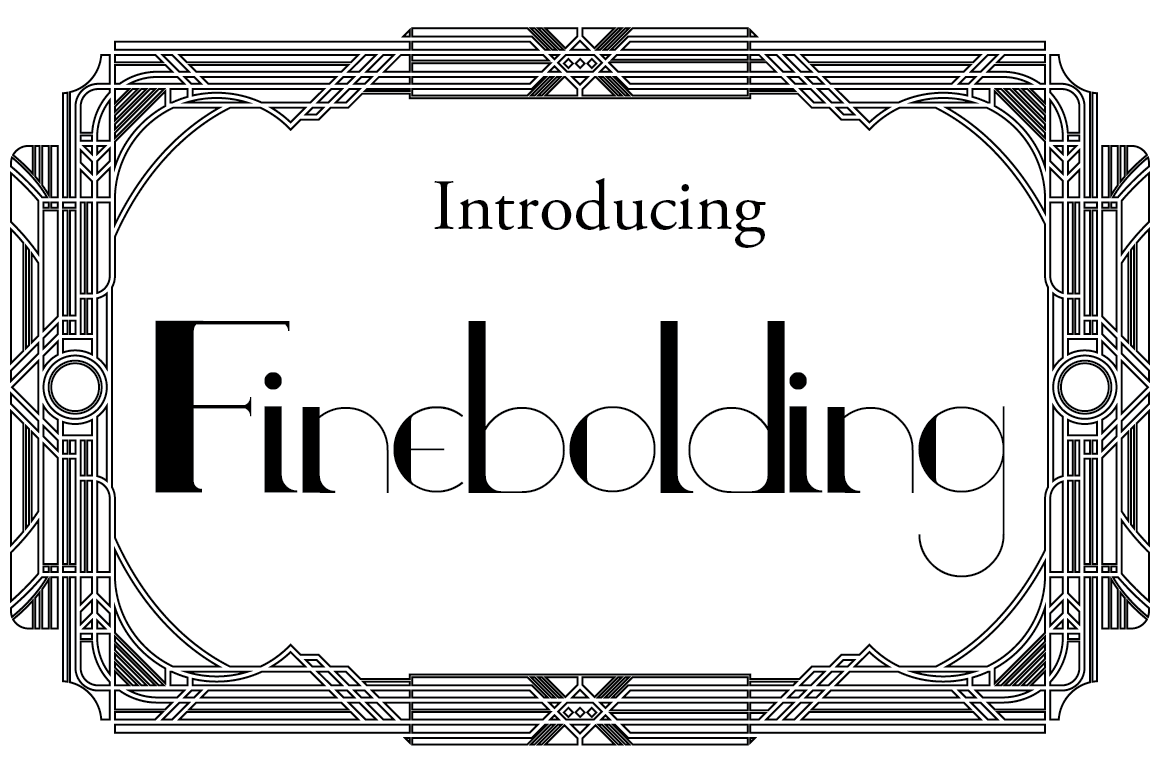
Embracing the Elegance of Finebolding: A Modern Design Revolution
In a world where visual communication is more critical than ever, the choice of typography can make or break a design. Among the many fonts available, Finebolding stands out as a remarkable blend of artistry and functionality. Inspired by the Art Nouveau movement, this font combines intricate detailing with a refined, minimalist aesthetic. Its roundness and fine lines create a unique balance that makes it adaptable across various design contexts—from digital interfaces to print media.
As the design industry continues to evolve, so too do the expectations for typography. Finebolding is not just another font; it's a response to the growing demand for elegance, versatility, and emotional resonance in visual storytelling. Whether you're a professional designer, a creative entrepreneur, or a marketer looking to stand out, understanding the value of Finebolding can open new doors in your work.
The Art Nouveau Influence on Modern Typography
The Art Nouveau movement, which flourished in the late 19th and early 20th centuries, was all about fluidity, ornamentation, and natural forms. It sought to blur the lines between art and function, emphasizing beauty in everyday objects. Today, Finebolding carries forward this legacy, but with a contemporary twist.
Unlike traditional Art Nouveau fonts, which often feature elaborate flourishes and complex curves, Finebolding simplifies these elements while maintaining their essence. Its rounded shapes and delicate strokes evoke a sense of grace and sophistication, making it ideal for modern applications that require both style and clarity.
This evolution reflects a broader trend in design: the desire to merge historical inspiration with modern practicality. As consumers become more discerning, they seek designs that are not only visually appealing but also meaningful and functional. Finebolding meets this demand by offering a font that is both aesthetically pleasing and highly adaptable.
Why Finebolding is Gaining Attention
There are several reasons why Finebolding has captured the attention of designers and professionals across industries. One key factor is its ability to adapt to different design scenarios without losing its identity. Whether used in a logo, a website header, or a product label, Finebolding maintains a consistent visual language that resonates with audiences.
Another reason for its popularity is its readability. Despite its ornate appearance, Finebolding is surprisingly easy to read, even at smaller sizes. This makes it an excellent choice for digital content, where legibility is crucial. In an age where users scroll through vast amounts of information, a font that is both beautiful and readable can significantly enhance user experience.
Moreover, Finebolding aligns with current trends in minimalism and simplicity. While it retains the elegance of Art Nouveau, it avoids the clutter that often accompanies more decorative fonts. This streamlined approach appeals to a wide range of audiences, from those who appreciate traditional design to those who prefer modern aesthetics.
Connecting to Broader Industry Trends
The rise of Finebolding is not an isolated phenomenon; it reflects larger shifts in the design and technology industries. As businesses increasingly rely on visual branding to differentiate themselves, the need for unique and memorable typography has never been greater. Finebolding offers a solution that is both distinctive and versatile, allowing brands to express their identity in a way that stands out from the competition.
In the realm of digital marketing, where first impressions matter, Finebolding can help create a strong visual identity. For example, a startup launching a new app might use Finebolding for its logo and promotional materials to convey a sense of innovation and refinement. Similarly, a fashion brand could incorporate the font into its website design to evoke a timeless yet modern aesthetic.
Additionally, Finebolding supports the growing emphasis on inclusivity and accessibility in design. Its clean lines and balanced structure make it suitable for a wide range of users, including those with visual impairments. By prioritizing readability and clarity, Finebolding contributes to a more inclusive design landscape.
Practical Applications of Finebolding
One of the most compelling aspects of Finebolding is its versatility. It can be used in a variety of contexts, from editorial design to packaging and beyond. For instance, a magazine publisher might choose Finebolding for its headlines to add a touch of sophistication without overwhelming the reader. In contrast, a luxury brand could use the font in its product packaging to reinforce its commitment to quality and craftsmanship.
Another practical application is in web design. With the increasing importance of responsive design, fonts that can scale well across different screen sizes are essential. Finebolding excels in this area, as its fine lines and rounded shapes remain legible and visually appealing on both desktop and mobile devices. This adaptability makes it a valuable asset for web developers and designers seeking to create cohesive, user-friendly experiences.
Furthermore, Finebolding is well-suited for long-form content, such as books, articles, and reports. Its elegant structure enhances readability while adding a touch of refinement to the text. For authors and publishers looking to elevate the visual appeal of their work, Finebolding offers a compelling alternative to more conventional typefaces.
The Future of Typography and the Role of Finebolding
As we look ahead, the role of typography in shaping our digital and physical environments will only grow. With the rise of artificial intelligence and automated design tools, the need for thoughtful, intentional typography has never been more important. Finebolding represents a forward-thinking approach to font design—one that balances tradition with innovation and form with function.
Designers and creatives who embrace Finebolding are not just choosing a font; they are aligning themselves with a philosophy that values beauty, purpose, and adaptability. In a rapidly changing world, this mindset is essential for staying relevant and impactful.
Ultimately, Finebolding is more than just a typeface—it's a reflection of evolving design sensibilities and a testament to the enduring power of typography. Whether you're a seasoned professional or an aspiring creator, incorporating Finebolding into your work can help you communicate more effectively and leave a lasting impression.