Southamton: A Modern Script Font for Elegant Display Projects
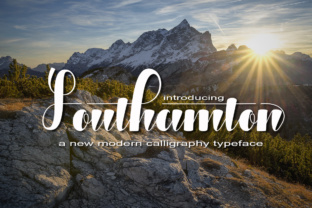
Southamton is a modern script font that blends the fluidity of calligraphy with contemporary design sensibilities. Its elegant, flowing lines make it ideal for projects that require a touch of sophistication and visual appeal. Whether used in branding, invitations, or digital media, Southamton offers a refined aesthetic that stands out in a crowded design landscape.
What Makes Southamton Distinct?
Unlike many traditional script fonts, Southamton is designed with a modern edge, making it versatile enough to work in both digital and print formats. The font’s character set includes a wide range of glyphs, ensuring compatibility across various languages and symbols. Its consistent stroke weight and balanced proportions contribute to its readability, even at smaller sizes.
The font’s calligraphic influence is evident in its subtle flourishes and natural flow, which give it a handcrafted feel. This makes Southamton particularly well-suited for projects that aim to convey a sense of artistry or personalization. However, its elegance also means it may not be the best choice for large blocks of text, where more legible typefaces are typically preferred.
Southamton in Comparison to Similar Fonts
When considering script fonts, designers often look at options like Brush Script, Lobster, or Great Vibes. Each of these has its own unique characteristics, and Southamton holds its own in several key areas. For instance, while Brush Script is known for its casual, handwritten look, Southamton offers a more polished and structured appearance. This makes it a better fit for professional or high-end design work.
Lobster, on the other hand, is bold and attention-grabbing, often used for headlines or logos. Southamton, by contrast, is more subdued and refined, making it suitable for projects that require a delicate balance between style and readability. Great Vibes shares some similarities with Southamton in terms of its calligraphic style, but it tends to have more dramatic swashes and a more ornate feel.
These differences mean that Southamton may not always be the top choice when a designer is looking for something highly stylized or extremely bold. However, for projects that require a clean, elegant script, Southamton provides a compelling alternative.
Best-Fit Situations for Southamton
Southamton excels in scenarios where a sophisticated yet approachable font is needed. It is particularly effective in wedding invitations, where its graceful curves can add a sense of romance and timelessness. In branding, it can be used for logos or taglines that aim to project a sense of refinement and creativity.
In digital design, Southamton works well for website headers, social media graphics, or app interfaces that benefit from a humanized touch. Its adaptability across different mediums makes it a valuable addition to a designer’s toolkit. However, it is important to consider the context in which it will be used, as overuse or improper pairing can diminish its impact.
Tradeoffs and Limitations
While Southamton is visually appealing, it is not without its limitations. One of the primary considerations is its suitability for long-form text. Due to its intricate details and flowing structure, it may not be as easy to read in extended passages compared to sans-serif or serif fonts. This means it is best reserved for short phrases, titles, or decorative elements rather than body copy.
Another tradeoff is the need for careful typography choices. Pairing Southamton with other fonts requires attention to contrast and hierarchy. A strong, simple sans-serif font might complement it well, while another script font could create visual clutter. Designers should also consider the medium—print and digital displays may render the font differently, requiring adjustments for optimal results.
When Southamton Is the Right Choice
Southamton is an excellent choice when the goal is to add a touch of elegance or personality to a design. It is particularly useful in projects that emphasize craftsmanship, such as artisanal products, luxury branding, or creative portfolios. Its calligraphic style can evoke a sense of authenticity and artistry, making it a go-to option for designers looking to differentiate their work.
If a project requires a font that feels both modern and timeless, Southamton can be a strong contender. It is especially effective when used sparingly, allowing its visual appeal to shine without overwhelming the overall composition. For example, using it in a headline or logo can draw attention while maintaining a sense of sophistication.
When Other Options Might Be Better
There are situations where other fonts may be more appropriate. For instance, if the design requires a bold, eye-catching headline, a font like Lobster or Playfair Display might be more impactful. Similarly, if the focus is on clarity and simplicity, a sans-serif font such as Helvetica or Roboto could be a better fit.
For projects that involve a lot of text, a more readable font is usually preferable. Southamton may not be the best choice for body copy, as its complexity can reduce legibility. In such cases, a font with a cleaner structure and consistent spacing would be more practical.
Practical Examples and Use Cases
Consider a scenario where a designer is creating a brochure for a boutique hotel. Using Southamton for the title and subheadings could enhance the luxurious feel of the design, while pairing it with a neutral sans-serif for the body text ensures readability. This combination allows the font to serve its purpose without compromising functionality.
Another example is a personal blog or portfolio site. Using Southamton for the site’s heading or navigation menu can add a unique, artistic flair, while the rest of the content remains easily digestible. This approach highlights the font’s strengths without overusing it.
For a wedding invitation, Southamton could be used for the couple’s names and the event details, creating a cohesive and elegant design. Its calligraphic style adds a personal touch, making the invitation feel more meaningful and thoughtful.
Conclusion: Making an Informed Decision
Southamton is a versatile and elegant script font that offers a unique blend of calligraphic beauty and modern design. Its strengths lie in its refined aesthetics and adaptability across different mediums, making it a valuable tool for designers seeking to add a touch of sophistication to their work.
However, like any font, it is not a one-size-fits-all solution. Understanding its strengths and limitations helps ensure that it is used effectively. By considering factors such as readability, context, and typography, designers can make informed decisions about when and how to incorporate Southamton into their projects.
Ultimately, the choice of font depends on the specific needs of the design. Southamton may be the right option for certain projects, while other fonts may be more suitable for others. Exploring different options and testing them in real-world scenarios can help determine the best fit for each unique situation.