Rhytmic Dances: A Unique Blend of Script and Texture
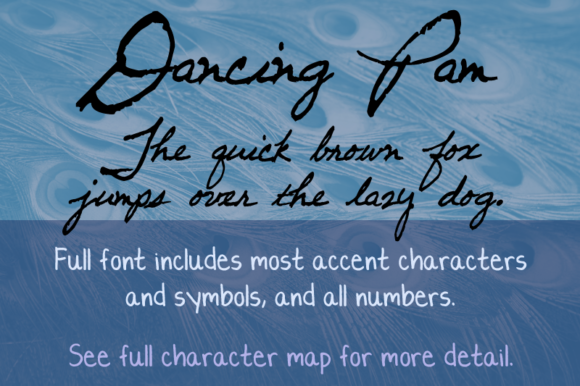
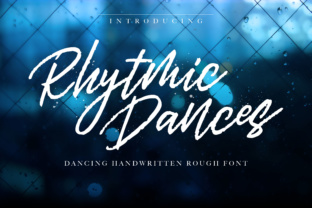
Rhytmic Dances is a distinctive font that blends the elegance of a script with the raw, textured appeal of handcrafted design. This typeface stands out for its natural, uneven strokes that give it a sense of movement and energy, making it ideal for projects that require a personal, artistic touch. Unlike many polished digital fonts, Rhytmic Dances embraces imperfections, offering a more organic feel that can add character to any visual composition.
Designed with versatility in mind, Rhytmic Dances works well in both digital and print formats. Its dynamic appearance makes it particularly effective in branding, editorial design, and creative marketing materials where a human element is desired. The font’s irregularities mimic the look of handwritten text, which can be especially appealing when trying to convey authenticity or a DIY aesthetic.
What Makes Rhytmic Dances Distinct?
One of the key features of Rhytmic Dances is its balance between sophistication and roughness. While it shares the fluidity of traditional script fonts, it introduces a level of texture that sets it apart from more refined alternatives. This combination allows designers to create content that feels both professional and approachable.
The font’s uneven baseline and varying stroke widths contribute to its unique personality. These characteristics make it less suitable for body text but highly effective as a headline or display font. When used appropriately, Rhytmic Dances can add visual interest and a sense of rhythm to a design, much like the motion implied by its name.
Another notable aspect is its adaptability across different mediums. Whether used in a logo, a poster, or a social media graphic, Rhytmic Dances maintains a cohesive style while still allowing for creative expression. This flexibility makes it a valuable tool for designers looking to experiment with typography without sacrificing clarity or readability.
Comparing Rhytmic Dances to Similar Fonts
When evaluating Rhytmic Dances against other script or decorative fonts, it’s important to consider the intended use and design goals. Many similar fonts prioritize smoothness and consistency, resulting in a more uniform appearance. In contrast, Rhytmic Dances leans into its irregularities, which may not be ideal for all applications.
For instance, fonts like Brush Script or Lobster offer a more polished, flowing look that is often preferred in formal or elegant contexts. These alternatives may be better suited for projects that require a clean, sophisticated aesthetic. However, they lack the tactile, handmade quality that Rhytmic Dances brings to the table.
On the other hand, some experimental or graffiti-style fonts emphasize chaos and randomness, which can sometimes overshadow legibility. Rhytmic Dances strikes a middle ground by maintaining a level of readability while still incorporating visual texture. This makes it a good choice for designs that need to balance creativity with clarity.
Best Fit and Limitations
Rhytmic Dances excels in situations where a handwritten or artisanal feel is desired. It is particularly effective in branding for creative industries, such as art, music, or independent publishing. Its expressive nature can help convey a brand’s personality and values more authentically than a standard font might.
However, it may not be the best option for all types of projects. In cases where precision and uniformity are critical—such as in technical documents, legal forms, or large-scale publications—Rhytmic Dances could be too unpredictable. Its uneven structure may also make it less readable at smaller sizes, limiting its usefulness in certain contexts.
Designers should also consider the audience when choosing Rhytmic Dances. While its uniqueness can be a strength, it may not resonate with all viewers. For example, a more traditional font might be preferable in corporate or academic settings where a formal tone is expected.
When to Choose Rhytmic Dances
If a project requires a fresh, unconventional look, Rhytmic Dances can be an excellent choice. It is particularly useful for creating eye-catching headlines, promotional materials, or creative packaging. Its ability to evoke a sense of movement and spontaneity can make a design stand out in a crowded market.
Consider using Rhytmic Dances when the goal is to communicate a sense of individuality or craftsmanship. For example, a small business owner looking to establish a unique brand identity might find the font’s textured appearance compelling. Similarly, an artist seeking to express their creative vision through typography could benefit from its expressive qualities.
Additionally, Rhytmic Dances can be a good fit for projects that aim to connect emotionally with the audience. Its organic feel can make a design feel more relatable and authentic, which can be especially valuable in campaigns focused on storytelling or community engagement.
Alternatives and Considerations
While Rhytmic Dances offers a unique aesthetic, there are other fonts that may better suit specific needs. For example, if a designer is looking for a more structured yet stylized option, fonts like Great Vibes or Dancing Script provide a similar script-like appearance with greater consistency.
For those who want a more modern, geometric look, sans-serif fonts like Montserrat or Lato can offer a clean, professional appearance. These alternatives may be more appropriate for projects that require a minimalist or contemporary feel.
Ultimately, the decision to use Rhytmic Dances depends on the design’s purpose and the message it aims to convey. By understanding the strengths and limitations of this font, designers can make informed choices that align with their creative goals.
As with any typographic choice, testing Rhytmic Dances in different contexts is essential. Experimenting with size, spacing, and color can help determine whether it enhances or detracts from the overall design. This process ensures that the font is used effectively and appropriately.