Rander: A Versatile Brush Font for Modern Design
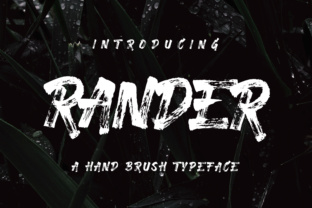
If you're looking for a font that brings a touch of creativity and elegance to your projects, Rander is worth considering. This freehand rough brush font combines a classy style with a dry brush technique, making it ideal for a wide range of design needs. Its youthful and modern appeal has made it a popular choice among designers, marketers, and creatives across various industries.
Understanding Rander's Unique Style
Rander stands out because of its hand-drawn aesthetic. Unlike traditional fonts that look uniform and precise, Rander mimics the natural variations of a brush stroke. The dry brush technique gives it a textured feel, which adds depth and character to any design. This makes it perfect for projects that require a more organic or artistic touch.
The font's casual yet sophisticated look works well in both digital and print formats. Whether you're designing a logo, creating social media content, or working on a branding project, Rander can add a unique visual element that sets your work apart.
Real-World Applications of Rander
One of the most common uses for Rander is in branding. Businesses that want to convey a sense of creativity and approachability often choose this font for their logos or taglines. For example, a boutique coffee shop might use Rander to create a logo that feels warm and inviting, while still maintaining a professional appearance.
In the world of social media, Rander can be used to make posts stand out. Designers frequently use it for Instagram stories, Facebook banners, or Twitter headers. Its bold and expressive nature helps grab attention, making it an excellent choice for promotional content or creative campaigns.
Another area where Rander shines is in editorial design. Magazines, newspapers, and online publications often use custom fonts to enhance the visual storytelling. Rander can be used for headlines, subheadings, or even body text in a way that feels fresh and dynamic. It's especially effective when paired with minimalist layouts or neutral color schemes.
Who Benefits from Using Rander?
Graphic designers are one of the primary users of Rander. They appreciate its flexibility and how it can be adapted to different styles and themes. Whether they're working on a corporate identity project or a personal art piece, Rander offers a level of creativity that other fonts may not provide.
Marketing professionals also find value in Rander. It can be used to create eye-catching advertisements, email newsletters, or landing pages. The font's modern appeal aligns well with current design trends, helping brands stay relevant and visually engaging.
Entrepreneurs and small business owners benefit from Rander as well. Many of them don't have access to premium design tools or professional fonts, so a free and versatile option like Rander can be a game-changer. It allows them to elevate their brand visuals without breaking the bank.
Practical Examples of Rander in Action
Consider a fashion brand launching a new line of clothing. They could use Rander for their product packaging, giving it a handcrafted and personalized feel. This approach can resonate with customers who value authenticity and uniqueness.
A tech startup might use Rander for their website's headline or call-to-action buttons. The font's modern edge can help communicate innovation and energy, which are key traits for a growing company in the digital space.
Even in the realm of education, Rander can be useful. Teachers or educators creating presentation slides or infographics might use it to make their materials more visually appealing. The font's readability combined with its artistic flair makes it a good choice for educational content that needs to be both informative and engaging.
Key Considerations Before Using Rander
Before incorporating Rander into your design, it's important to consider the context. While it's great for creative projects, it may not be suitable for formal documents or situations where clarity is paramount. For instance, using it in a legal contract or a technical manual could reduce readability and professionalism.
Another factor to keep in mind is the size and spacing of the font. Because Rander has a rough, brush-like texture, it may appear less legible at smaller sizes. It's best to test it in different formats and ensure it maintains its visual impact without becoming hard to read.
Additionally, some platforms or software may not support all font types. It's a good idea to check compatibility before finalizing a design. Most modern design tools like Adobe Illustrator, Canva, or Figma support Rander, but it's always wise to confirm.
Strengths and Limitations of Rander
Rander's greatest strength lies in its ability to add a human touch to digital designs. Its imperfections and textures make it feel more authentic and less artificial than many other fonts. This is particularly valuable in a world where mass-produced visuals are common.
However, Rander may not be the best choice for every project. In cases where a clean, structured look is required, it might not fit the desired aesthetic. Users should also be aware that the font's unique style may not translate well to all languages or scripts, depending on the version available.
Despite these limitations, Rander remains a powerful tool for those looking to inject personality and creativity into their work. Its versatility and ease of use make it accessible to both seasoned designers and beginners alike.