Michella: A Modern Calligraphy Font with Handcrafted Appeal
In the world of typography, finding a font that balances modern design with a touch of authenticity can be challenging. Michella is a calligraphy font that stands out for its realistic strokes and contemporary aesthetic. It offers a unique way to add a handcrafted feel to printed materials without sacrificing style or readability. This article explores what Michella is, why it might be appealing, and how it compares to other options in the market.
What Is Michella?
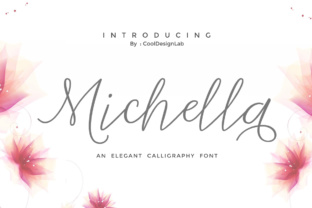
Michella is a digital calligraphy font designed to mimic the natural flow of handwritten script. Its design incorporates subtle variations in line weight and stroke direction, giving it a more organic look compared to standard serif or sans-serif fonts. The font maintains a clean structure, making it suitable for both formal and casual applications. It is often used in branding, invitations, logos, and other visual communications where a personal touch is desired.
The name "Michella" itself suggests elegance and refinement, which aligns with the font's overall appearance. It is available in various weights and styles, allowing users to choose the version that best suits their project's needs. Whether you're creating a business card, a poster, or a website header, Michella provides a versatile option for those looking to infuse a sense of artistry into their work.
Why Someone Might Be Interested in Michella
Individuals and businesses may consider Michella for several reasons. First, it offers a handcrafted appeal that can make printed materials stand out. In an age where digital communication dominates, using a font like Michella can add a tactile, personal element that resonates with audiences. This makes it particularly useful for creative industries, such as graphic design, marketing, and event planning.
Another reason to consider Michella is its modern yet traditional look. Unlike some calligraphy fonts that may appear too ornate or outdated, Michella strikes a balance between classic and contemporary design. This versatility allows it to fit into a wide range of projects, from minimalist layouts to more elaborate designs.
Additionally, Michella is ideal for those who want to convey a sense of authenticity without the effort of hand-drawing each letter. It provides the illusion of handwriting while maintaining consistency and precision, which is crucial for professional use.
Benefits of Using Michella
One of the primary benefits of Michella is its ability to enhance the visual appeal of any design. Its realistic strokes create a sense of movement and depth, making text more engaging. This can be especially effective in headings, titles, or short phrases where impact is key.
Another advantage is its ease of use. As a digital font, Michella can be easily integrated into design software such as Adobe Illustrator, Photoshop, or InDesign. Users do not need to be experts in calligraphy to achieve a polished result. This accessibility makes it a practical choice for designers, marketers, and small business owners who may not have advanced typographic skills.
Michella also supports multiple languages, which expands its usability for international projects. This feature ensures that the font remains legible and visually consistent across different scripts and character sets.
Tradeoffs and Considerations
While Michella has many strengths, it may not be the best choice for every situation. One potential limitation is its suitability for long blocks of text. Due to its calligraphic style, it may be less readable in extended paragraphs compared to more conventional fonts. Therefore, it is best used for headlines, captions, or short phrases rather than body text.
Another consideration is the need for proper licensing. Like most commercial fonts, Michella requires a license for use in professional settings. Users should verify the terms of use to ensure compliance, especially if they plan to distribute or sell designs incorporating the font.
Finally, the aesthetic of Michella may not align with all brand identities. While its modern calligraphy style is appealing to many, it may not suit industries that require a more rigid or technical look. Businesses in fields such as finance, law, or healthcare may prefer fonts that convey professionalism and simplicity.
Situations Where Michella Is a Strong Fit
Michella excels in situations where a personal, artistic touch is desired. For example, it is well-suited for wedding invitations, greeting cards, and promotional materials that aim to evoke emotion or creativity. Its elegant appearance can elevate the perceived value of these items, making them more memorable to recipients.
It is also a good choice for branding efforts that emphasize craftsmanship or artisanal qualities. Small businesses, independent artists, and boutique brands may find that Michella helps communicate their values effectively. By using this font, they can differentiate themselves from competitors who rely on more generic typefaces.
In addition, Michella can be useful in digital marketing campaigns. When used in social media graphics, email newsletters, or web banners, it adds a humanized element that can improve engagement and connection with the audience.
Situations Where Alternatives May Be Worth Considering
For projects requiring high readability over long distances, such as signage or large-format prints, alternative fonts may be more appropriate. Fonts like Helvetica, Arial, or Roboto are often preferred for their clarity and uniformity in such contexts.
Users who prioritize a more mechanical or industrial look may also find that other fonts better suit their needs. For instance, geometric sans-serifs like Futura or Gotham offer a clean, structured appearance that contrasts with Michella’s organic style.
Furthermore, those working on highly technical or data-driven content may benefit from fonts that emphasize precision and neutrality. In these cases, the stylized nature of Michella could be distracting rather than beneficial.
Practical Decision-Making Insights
When deciding whether to use Michella, it is important to consider the purpose of the design and the target audience. If the goal is to create a warm, personalized impression, then Michella is likely a strong candidate. However, if clarity and efficiency are the main priorities, other fonts may be more suitable.
Testing the font in different contexts is also advisable. Designers should experiment with how Michella looks in various sizes, colors, and backgrounds to ensure it meets their expectations. This process can help identify any potential issues before finalizing a project.
Lastly, consulting with clients or stakeholders is essential. Understanding their preferences and requirements can guide the decision-making process and ensure that the chosen font aligns with their vision.