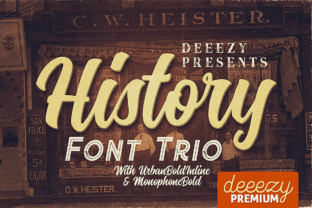
History: A Retro Font for Creative Designs
History is more than just a font—it's a powerful tool for designers, marketers, and creators looking to add a touch of vintage charm to their work. With its retro aesthetic and timeless appeal, this font offers a unique way to express creativity while maintaining clarity and professionalism. Whether you're designing a logo, a poster, or a social media graphic, History provides the perfect blend of style and functionality.
What Makes History Unique
History stands out due to its distinct retro design, which evokes the feel of old typewriters, vintage advertisements, and classic book covers. This font isn't just about nostalgia; it's about creating visual interest that captures attention. The three different font types included in the download allow for flexibility, enabling users to experiment with various styles and combinations.
Each variation of History brings something different to the table. Some versions may have a more formal look, ideal for professional projects, while others may be more playful and expressive, perfect for creative or artistic endeavors. This versatility makes History suitable for a wide range of applications, from branding to editorial design.
Creative Possibilities with History
The beauty of History lies in its ability to adapt to different creative needs. For instance, a designer working on a retro-themed website could use one version of the font for headings and another for body text, creating a cohesive yet dynamic look. Similarly, a marketer looking to promote a product with a vintage twist might use History to craft eye-catching headlines or promotional materials.
For bloggers and content creators, History can be an excellent choice for titles and subheadings. It adds a distinctive flair that sets content apart from the competition. When used sparingly, it can enhance readability without overwhelming the reader. The key is to balance style with legibility, ensuring that the message remains clear and impactful.
Applications Across Different Industries
History is not limited to a single industry or niche. Its retro aesthetic appeals to a broad audience, making it a valuable asset for various professionals. Small business owners, for example, can use History to create logos, packaging, or marketing materials that stand out in a crowded market. The font's vintage appeal can help establish a brand identity that feels authentic and memorable.
Educators and publishers might find History useful for creating visually engaging materials, such as lesson plans, worksheets, or book covers. Its historical inspiration aligns well with educational content, adding a sense of depth and character. In the world of publishing, History can be used to design book titles or chapter headings that evoke a sense of timelessness.
Practical Tips for Using History
To get the most out of History, it's important to consider the context in which it will be used. For digital projects, ensure that the font is properly embedded or licensed to avoid display issues. When working on print materials, test the font at different sizes to confirm that it remains readable and visually appealing.
Experimentation is key when working with History. Try combining different font types to see how they interact. Use bold or italic variations to emphasize certain elements, and don't be afraid to pair History with other fonts to create a balanced composition. The goal is to enhance the overall design while maintaining a clean and professional look.
Designing for Different Audiences
One of the strengths of History is its adaptability to different audiences. For a younger demographic, the font can be used in a more playful manner, incorporating bright colors and dynamic layouts. For a more mature audience, a minimalist approach with neutral tones might be more appropriate, allowing the font to speak for itself.
When targeting specific industries, such as fashion or technology, consider how History fits into the broader visual language of that field. A tech startup might use History to add a touch of creativity to its branding, while a fashion brand could use it to create a nostalgic vibe that resonates with its target customers.
Keeping Results Clear and Effective
While History offers a lot of creative potential, it's important to maintain clarity and effectiveness in your designs. Avoid using too many variations of the font in a single project, as this can lead to visual clutter. Instead, focus on one or two variations that complement each other and support the overall message.
Consistency is also crucial. If you're using History across multiple platforms or formats, ensure that it looks good in all contexts. This includes web, mobile, and print environments. By keeping your design consistent, you create a stronger brand presence and improve the user experience.
Conclusion: Embrace the Vintage Vibe
History is more than just a font—it's a creative resource that can elevate your designs and bring a fresh perspective to your work. Whether you're a designer, marketer, or entrepreneur, this font offers a versatile and stylish solution for adding a vintage touch to your projects. By understanding its unique qualities and exploring its creative possibilities, you can unlock new ways to express your ideas and connect with your audience.