Architecture: A Beautifully Simple Font for Modern Creativity
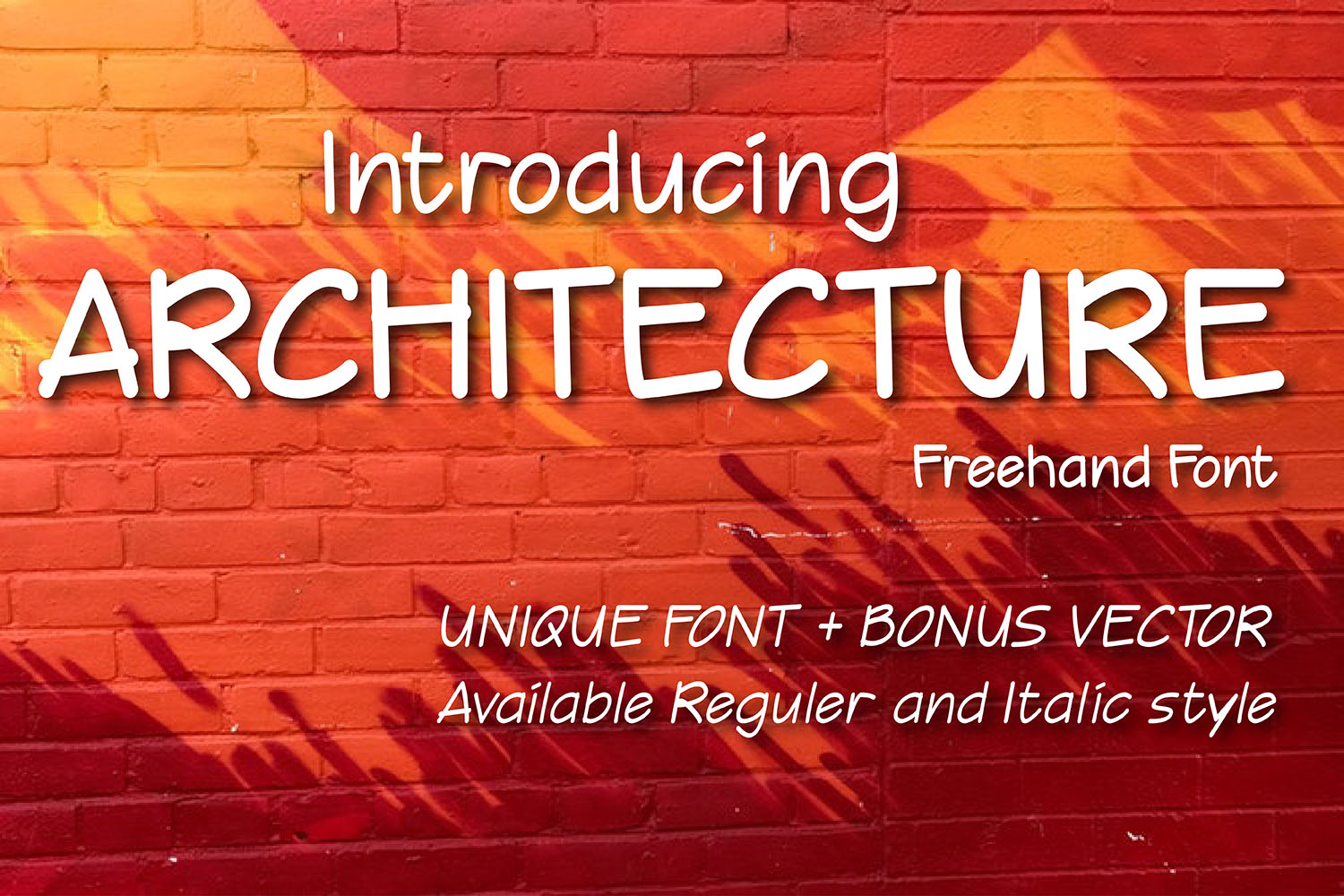
In a world where visual communication is more important than ever, the right font can make all the difference. One such font that has been gaining attention among designers, marketers, and creators is Architecture. This beautifully simple freehand font offers a unique blend of elegance and readability, making it an ideal choice for a wide range of projects. With its clean sans serif structure and monoline design, Architecture stands out as a versatile tool in the modern designer's toolkit.
Architecture is more than just a font—it's a reflection of contemporary design trends that prioritize clarity, simplicity, and human touch. In an era where digital interfaces and branding are constantly evolving, fonts like Architecture offer a refreshing alternative to the rigid, often overly complex typefaces that dominate the market. Its handwritten style brings a sense of warmth and approachability, which is particularly valuable in today's fast-paced, technology-driven world.
The Rise of Handwritten Fonts in Design
The increasing popularity of handwritten fonts like Architecture is part of a broader shift in the design industry. As consumers become more discerning, there's a growing demand for authentic, personalized experiences. This trend is evident across various sectors, from marketing and advertising to user interface (UI) design and brand identity.
Handwritten fonts add a human element to digital content, helping brands connect with their audiences on a more personal level. Unlike traditional serif or sans serif fonts, which can sometimes feel cold or impersonal, fonts like Architecture bring a sense of creativity and individuality. This is especially relevant in the context of social media, where visual storytelling plays a crucial role in engagement and brand loyalty.
Moreover, the rise of remote work and digital collaboration has further amplified the need for fonts that are both functional and expressive. Architecture's legibility ensures that it works well in both print and digital formats, making it a practical choice for professionals who need to communicate effectively across multiple platforms.
Why Architecture Stands Out
What sets Architecture apart from other fonts is its balance between simplicity and sophistication. Its monoline structure means that each stroke is consistent in weight, which contributes to its clean and professional appearance. This feature makes it particularly suitable for headings, logos, and other design elements where clarity is essential.
At the same time, the font's freehand style adds a touch of personality, making it ideal for projects that require a more organic feel. Whether you're designing a website, creating a presentation, or developing a brand identity, Architecture offers a flexible solution that can adapt to different contexts without losing its core characteristics.
Another key advantage of Architecture is its versatility. It works well in both large-scale applications, such as signage and banners, and smaller formats, like business cards and email templates. This adaptability makes it a valuable asset for professionals who need a font that can keep up with changing design needs.
Architecture in the Broader Creative Landscape
The appeal of Architecture extends beyond typography into the larger creative landscape. In the realm of graphic design, for instance, the font aligns with current trends that emphasize minimalism and functionality. As designers seek to create visually striking yet user-friendly experiences, fonts that combine aesthetic appeal with practicality are becoming increasingly sought after.
In the field of marketing, Architecture can be used to craft compelling headlines and taglines that capture attention while maintaining a professional tone. Its clean lines and readable structure make it an excellent choice for campaigns that aim to convey trust, innovation, or creativity. For entrepreneurs and small businesses, this font offers an affordable way to elevate their branding without compromising on quality.
Additionally, Architecture resonates with the growing interest in sustainable and ethical design practices. By choosing a font that is both aesthetically pleasing and functionally sound, designers can contribute to a more thoughtful and intentional approach to visual communication. This aligns with broader consumer trends that favor authenticity, transparency, and environmental responsibility.
Practical Applications of Architecture
One of the most compelling aspects of Architecture is its wide range of applications. From web design to packaging, this font can be used to enhance the visual appeal of various materials. For example, in e-commerce, Architecture can be used to create eye-catching product titles and descriptions that stand out in a crowded marketplace.
When it comes to branding, Architecture provides a strong foundation for building a cohesive visual identity. Its clean and modern look can help establish a brand as innovative and forward-thinking, while its handwritten elements add a sense of warmth and approachability. This combination is particularly effective for startups and creative agencies looking to differentiate themselves in a competitive market.
For freelancers and independent creators, Architecture offers a reliable option for presenting their work in a professional manner. Whether it's a portfolio website, a resume, or a social media profile, the font can help convey a sense of expertise and creativity without overwhelming the viewer with unnecessary complexity.
The Future of Typography and Design
As we look ahead, the role of typography in design is only going to become more significant. With the continued evolution of digital platforms and the increasing importance of user experience (UX), the demand for fonts that are both visually appealing and functionally effective will continue to grow. Architecture is well-positioned to meet this demand, offering a timeless yet modern solution for a variety of design challenges.
Furthermore, the integration of AI and machine learning in design tools is opening up new possibilities for font customization and application. While these technologies may change the way we interact with typography, the fundamental principles of good design—clarity, readability, and aesthetics—will remain essential. Fonts like Architecture, which embody these principles, will continue to play a vital role in shaping the future of visual communication.
In conclusion, Architecture is more than just a font—it's a powerful tool that reflects the evolving needs and preferences of today's design professionals. Its blend of simplicity, legibility, and personality makes it a valuable asset for anyone looking to create meaningful and impactful visual content. Whether you're a seasoned designer or a newcomer to the field, Architecture offers a fresh perspective on what typography can achieve in the modern world.